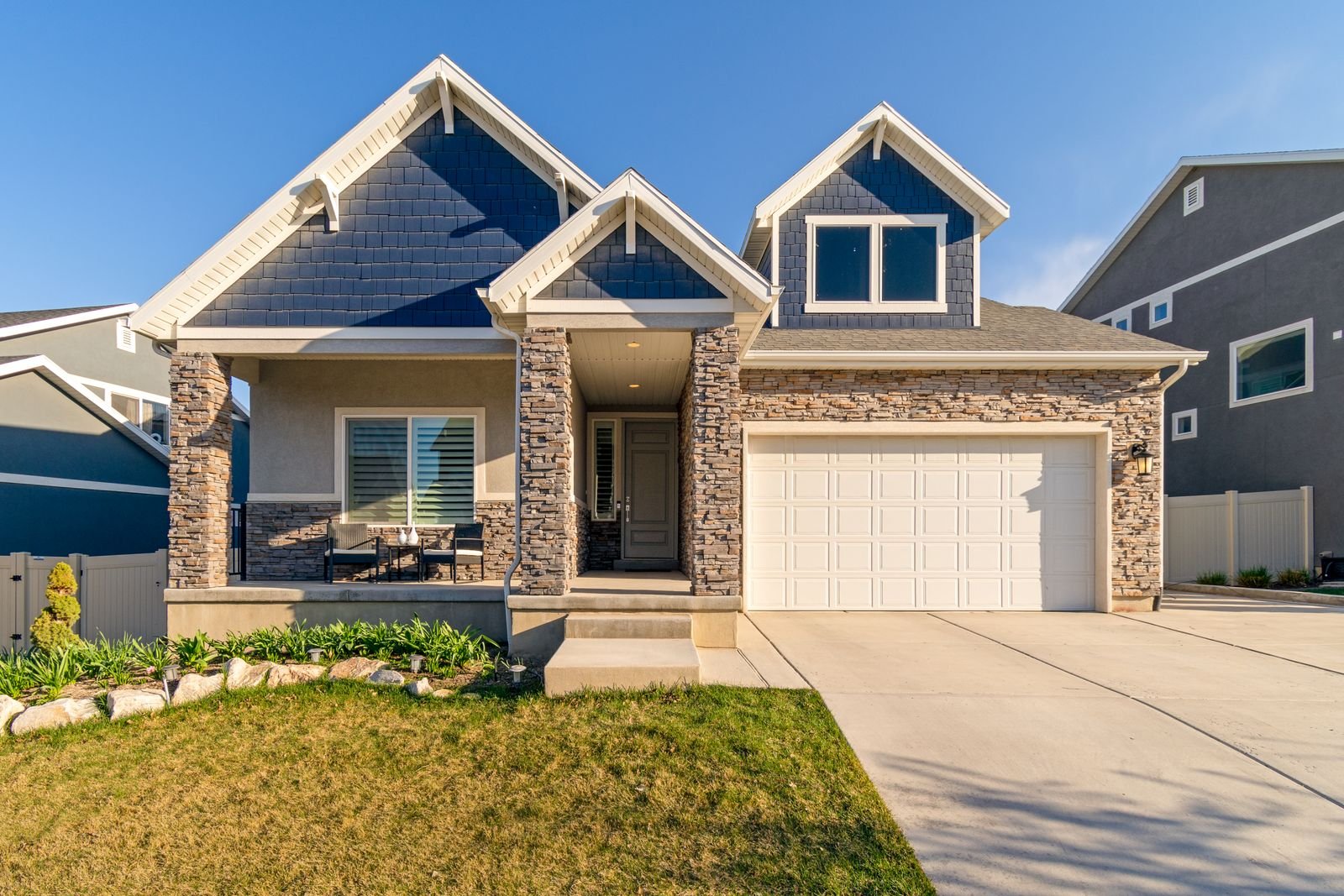
Mold Remediation Along the Texas Parkway Corridor
Texas Parkway — FM 2234 — is a central corridor through Missouri City, passing City Hall and connecting established neighborhoods with strip-center retail, offices, and civic-adjacent commercial in 77489. Rooftop HVAC condensate, flat-roof leaks, and shared-wall plumbing make these buildings mold-prone, and ~74% ambient humidity keeps it going. We contain, remove the source, HEPA-clean, dry, and verify to the IICRC S520 standard for commercial and residential properties alike.
Mold Remediation for Properties Near Texas Parkway
Texas Parkway, also signed as FM 2234, is a central route through Missouri City that passes City Hall and connects the established neighborhoods and commercial of 77489. If you own or manage a strip center, retail or office unit, or a home along the corridor and you've found mold or smell something musty, you've found the right people. We are mold remediation Missouri City specialists, a service-area business that comes to your property, scopes the problem on site, and remediates it to the recognized standard of care.
The Texas Parkway corridor runs through the central, civic heart of the city, and it carries a real mix — strip-center retail, office space, civic-adjacent commercial, and the established homes behind them. That mix means the mold work ranges from a retail unit with a flat-roof leak to a residential attic after a slow roof failure. This page explains why corridor properties get mold and what we fix; the transactional details and a direct service request live on our mold remediation near Texas Parkway page, or call (713) 325-6192.
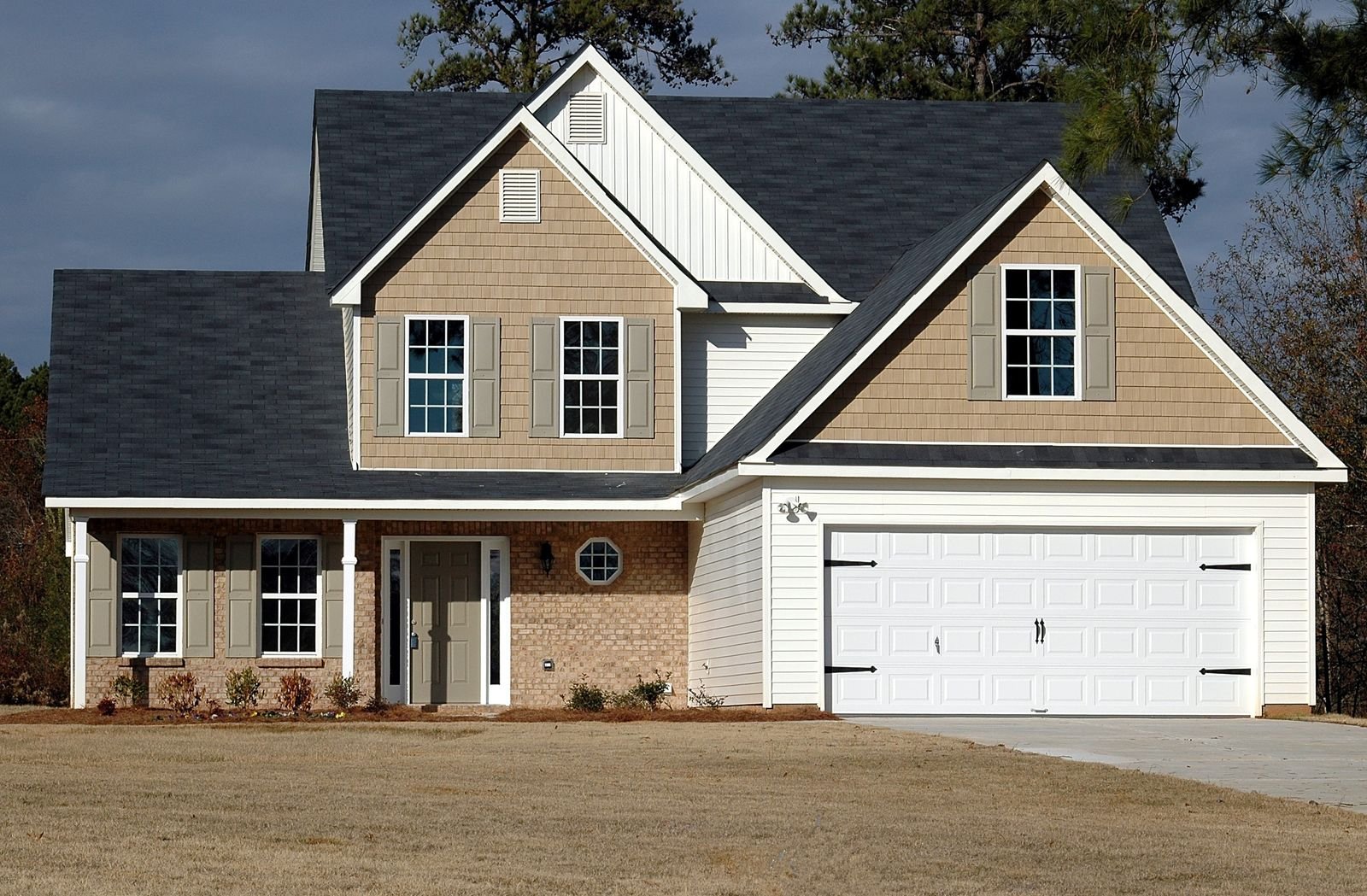
Why Properties Along Texas Parkway Get Mold
Corridor-fronting buildings on Texas Parkway have a mixed mold profile — commercial structures dominated by rooftop equipment and flat roofs, plus established homes with aging roofs and bath humidity. Each is a moisture pathway, and the area's ~74% ambient humidity keeps the conditions for mold nearly always present.
Rooftop HVAC Condensate
Package units on commercial roofs throw off condensate constantly. A clogged drain pan or a failed line backs that water up into the ceiling and feeds mold above retail and office spaces.
Flat-Roof Leaks & Shared-Wall Plumbing
Flat roofs pond water and seam-fail over time, and a leak in one tenant's plumbing migrates through the shared demising wall — so a single source can affect two units in a strip center.
Attic Leaks & Bath Humidity (Homes)
The established homes behind the corridor carry aging roofs, weak bath ventilation, and low-lying drainage. A slow roof leak or a fan that never clears the vapor grows mold in the attic and behind bath walls.
Gulf Coast Humidity Sets the Clock on Every Corridor Building
The fact that drives mold along Texas Parkway is the same one that drives it across Missouri City: ambient humidity. Houston and Fort Bend County average around 74% outdoor relative humidity for much of the year, so any building with a moisture pathway has the conditions mold needs to colonize. The timeline is short — mold growth begins 24 to 48 hours after water intrudes and isn't fully dried. In a commercial space, where a leak above a drop ceiling can run for days before anyone notices, that window is almost always blown by the time the problem surfaces.
The durable defense is humidity control. Mold growth slows once indoor relative humidity holds below 60%, and the target is 30 to 50% RH. For a retail or office tenant that means a maintained HVAC system, working condensate drainage, and prompt drying of any roof or plumbing leak. For corridor homes it means the same fundamentals as any central Missouri City house: vent the baths, keep the attic balanced, and dry spills fast. When mold has already taken hold, a managed remediation — not a spray-over — is the only fix that lasts, because painting over a colony still being fed by a flat-roof leak just buys a few weeks.
Mold Problems We Fix Along Texas Parkway
Across the strip centers, offices, and established homes fronting Texas Parkway, a consistent set of mold scenarios comes up. Each traces back to a moisture source, and each is something our crews handle as a routine part of a managed remediation:
- Ceiling-cavity mold in retail and office units from a rooftop HVAC condensate backup or a flat-roof leak, often hidden above a drop ceiling.
- Demising-wall mold in strip centers where a neighboring tenant's plumbing leak migrated through the shared wall.
- Back-of-house and storage mold where poor ventilation and standing humidity let colonies form on drywall and stored materials.
- Residential attic and wall-cavity mold in corridor homes after a slow leak or an aging-roof failure.
- Suspected black mold on chronically damp materials, which gets stricter containment and protective equipment until lab work confirms it.
If any of these describe your building, the next step is our transactional mold remediation near Texas Parkway page, where you'll see how we scope, price, and schedule — including after-hours work to keep a retail or office unit open. We never quote a full tear-out sight unseen; honest remediation removes only what's actually contaminated.
Serving the Central Neighborhoods and Commercial Texas Parkway Connects
Texas Parkway is a central connector, passing City Hall and tying together the established neighborhoods and commercial of 77489. The mold patterns along it run through both sides — rooftop HVAC and flat-roof leaks on the commercial buildings, attic and wall-cavity moisture in the homes behind them — all under the same 74% ambient humidity. We cover the full corridor with one consistent, source-first approach, whether the property is a strip-center retail unit, a civic-adjacent office, or a family home a block off the parkway.
This page is the corridor anchor for the Texas Parkway micro-area. For the citywide picture and the neighborhoods that feed into the corridor, see our mold remediation in Missouri City hub, or browse all service areas across 77459 and 77489. Every property along FM 2234 is covered by the same TDLR-licensed crews and the IICRC S520 process described below.
How We Remediate — The IICRC S520 Way
Six steps, in the right order, so the mold is gone and stays gone in your corridor property.
- Inspect and find the source. We map the affected area with moisture meters and thermal imaging and trace it to the roof leak, condensate backup, or plumbing failure driving it — nothing comes out until we know what wetted it.
- Contain the work area. 6-mil polyethylene sheeting plus a negative-air machine holds the space at roughly -5 to -10 pascals so spores flow into the containment, not into the rest of the building.
- Remove the contaminated material. Colonized porous materials — drywall, ceiling tile, insulation — are cut out and bagged inside the containment, because they can't be reliably cleaned.
- HEPA-clean the air and surfaces. Every surface is HEPA-vacuumed and wiped with antimicrobial, and the air is scrubbed through a HEPA filter that captures 99.97% of particles at 0.3 microns.
- Dry the structure. Framing and remaining materials are dried back to a normal moisture content so the area cannot re-grow mold once it's closed up.
- Verify with third-party clearance. On a job of any size we coordinate independent clearance testing to confirm indoor spore levels match or beat the outdoor baseline before containment comes down.
A TDLR-Licensed Contractor With Built-In Independence on Clearance
In Texas, mold work is regulated by the Texas Department of Licensing and Regulation. A Mold Remediation Contractor (MRC) performs the remediation, and for any project larger than 25 square feet a separate Mold Assessment Consultant (MAC) handles the assessment and the final clearance. On a commercial job that separation is especially valuable — an independent assessor verifies the result so a tenant, landlord, or insurer isn't relying on the contractor grading its own work. We operate within that framework, coordinate accredited-lab third-party clearance, and provide the documentation your insurer or lease requires. Every job along Texas Parkway starts with a free estimate, and we bill insurance directly where coverage applies. Call (713) 325-6192 to talk with a certified specialist.
Texas Parkway Corridor Mold Questions, Answered
A few common questions from corridor owners and tenants — answered straight.
Mold in Your Texas Parkway Property? Let's Fix It Right.
Certified, IICRC S520 remediation for corridor strip centers, offices, and homes — with a free estimate and clearance documentation. Talk to a specialist now.
(713) 325-6192Call for a Free Estimate