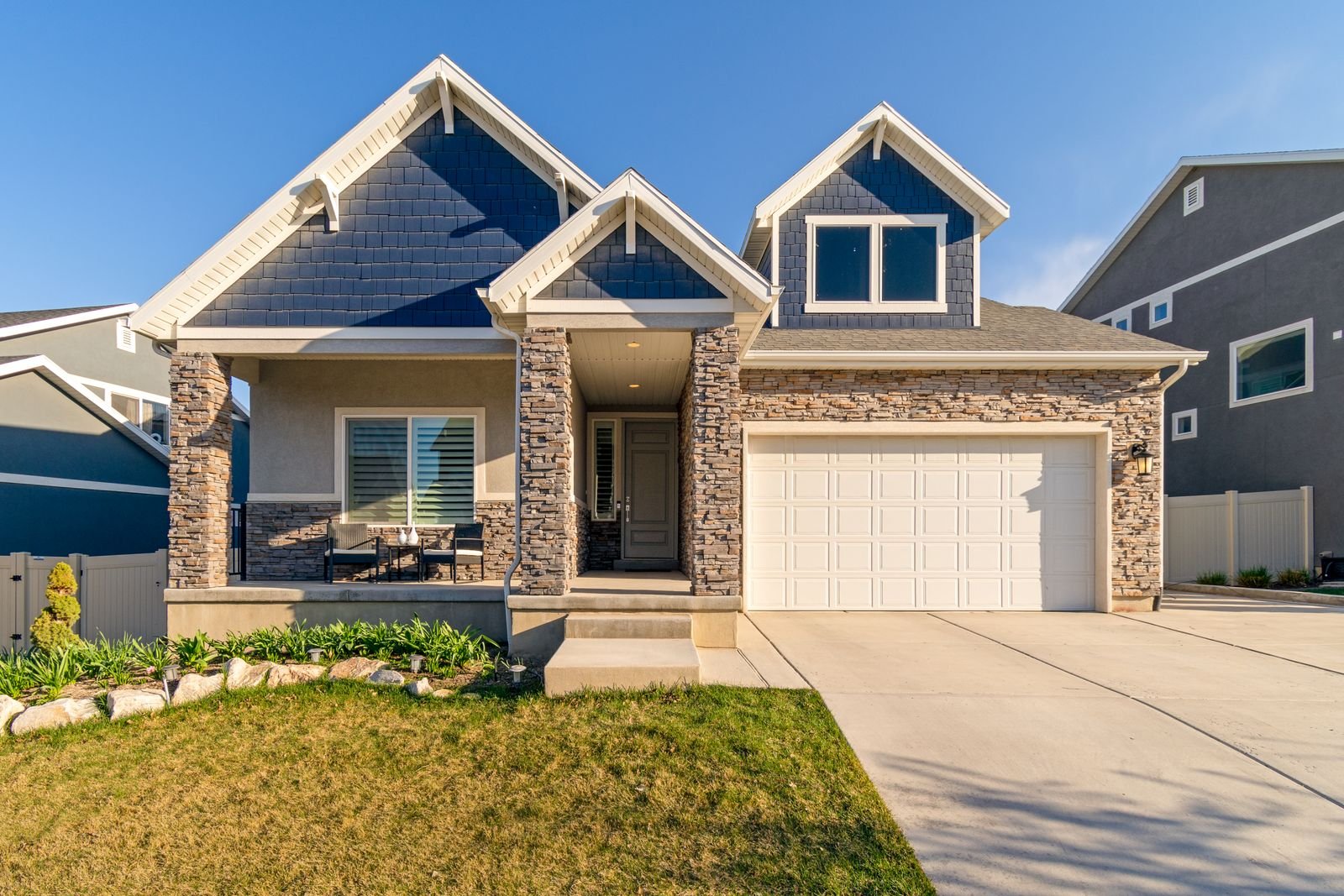
Mold Remediation Near Community Park, Missouri City
The central Missouri City homes around the 107-acre Community Park, in the Cartwright Road corridor of 77489, sit near where Oyster Creek runs through the city. Floodplain exposure, park irrigation, and ambient humidity make hidden mold common. We find it, contain it, and remediate it to the IICRC S520 standard.
Who Does Mold Remediation Near Community Park
Mold remediation near Community Park is handled by a certified, TDLR-licensed crew that knows the floodplain conditions of central Missouri City. Community Park is a 107-acre municipal park in the heart of the city, in the Cartwright Road corridor of 77489, and the homes around it sit close to where Oyster Creek winds through central Missouri City. That creek and its floodplain are the defining feature of this micro-area's mold profile: floodplain homes carry a recurring risk that lower-lying, drainage-heavy ground will wet a structure during heavy rain, and the residual moisture left behind is exactly what mold needs to take hold. Add the park's own irrigation and detention water, the shaded damp lots, and Fort Bend County's ~74% ambient humidity, and you have an area where mold tends to recur unless it is remediated properly.
This page is the local anchor for the Community Park area — it explains why mold appears here and why the floodplain matters. When you are ready to get it handled, the transactional mold remediation near Community Park page carries the service details, pricing approach, and the free-estimate call to action. Whatever you are seeing, you can reach a specialist directly at (713) 325-6192.
The Oyster Creek Floodplain Drives Recurring Moisture
Homes near Community Park get mold for reasons that start outside the house and work their way in. The creek and the park's water features shape how much moisture sits around your foundation.
- Oyster Creek floodplain. The creek runs through central Missouri City, and homes on lower-lying floodplain ground carry a recurring risk — each heavy-rain event can wet a structure, and the moisture left in the cavities afterward seeds mold if it is not fully dried.
- Park irrigation and detention. A 107-acre park keeps its grounds watered and its detention areas hold stormwater, so the soil along the park edge stays damp and drains slowly toward nearby lots.
- Shade and ambient humidity. Mature landscaping shades the damp side of many homes, and the ~74% ambient humidity keeps surfaces from drying — the background load that lets mold stay alive between rain events.
Because mold germinates within 24 to 48 hours of a moisture event, a floodplain home that takes on even minor water can grow a colony in the walls and subfloor before the visible surfaces have finished drying.
Oyster Creek Flooding Can Cause Mold That Keeps Coming Back
One of the hardest things about a floodplain home is that the mold problem is not always a one-time event. When a home near Oyster Creek takes on water, the visible flooding is dried out and life moves on — but if the inside of a wall cavity or the subfloor never fully dried, a colony establishes itself out of sight and the next rain event adds to it. Over several seasons, the result is a home with a persistent musty smell, discoloration bleeding through paint, and occupants with mild respiratory irritation they cannot explain. The colony was never removed; it simply outlasted each round of surface drying. Breaking that cycle takes more than a fan — it takes finding the hidden growth, removing the contaminated porous material, drying the structure back to a normal moisture content, and verifying the air. That is exactly what our process is built to do, and it is why floodplain homes benefit from a professional look rather than another DIY dry-out.
Mold Scenarios We Take On Near Community Park
The recurring scenarios in floodplain and central 77489 homes.
The mold work we handle near Community Park is shaped by the floodplain. There is the post-flood wall-cavity and subfloor colony left over after a creek event was dried with household equipment, the attic growth from roof leaks and humidity, the master-bath and laundry mold from weak ventilation, and the crawl-space colony under pier-and-beam homes fed by park-edge and floodplain ground moisture. In every case we contain the work area so the rest of the home stays unaffected, remove what is contaminated, HEPA-clean the air, and dry the structure so the colony cannot regrow.
When you are ready to act, the transactional mold remediation near Community Park page lays out how we scope, price, and schedule the job, with a free phone estimate to start. We always address the moisture source — whether that is a leak, drainage, or the residual dampness from a flood — because remediation that ignores the cause just buys a few months before the colony returns, which matters even more in a floodplain home. Tell us what you are seeing and we will give you an honest read.
Serving Central Missouri City Around Community Park
Community Park sits at the geographic center of Missouri City, and the homes around it tie into the larger central neighborhood and the Quail Valley area nearby. From the floodplain lots along the Cartwright Road corridor to the established interior streets, the same drivers apply — Oyster Creek exposure, park drainage, and humidity-prone attics. This area connects to the broader Quail Valley neighborhood and sits inside the full service map for mold remediation in Missouri City, where our crews work every neighborhood in 77459 and 77489 with the same source-first standard of care. To see the full footprint, browse all service areas, or simply call to confirm your street is covered. Wherever you are around the park, the response is the same certified team.
How We Remediate Mold — The IICRC S520 Sequence
Six steps, in the right order, so the mold is gone and stays gone.
- Inspect and find the source. We map the affected area with moisture meters and thermal imaging and trace it back to the leak, floodplain water, drainage, or humidity driving it — because nothing else holds if the water keeps coming.
- Contain the work area. We isolate the space with 6-mil polyethylene sheeting and run a negative-air machine at roughly −5 to −10 pascals, so spores flow into the containment instead of into clean rooms.
- Remove the contaminated material. Colonized porous materials — drywall, insulation, carpet pad — are cut out and bagged inside the containment, while non-porous surfaces are cleaned in place.
- HEPA-clean the air and surfaces. Everything is HEPA-vacuumed and the air is scrubbed with filtration that captures 99.97% of particles down to 0.3 microns, well below the size of a mold spore.
- Dry the structure. The framing and remaining materials are dried back to a normal moisture content and indoor relative humidity is targeted at 30 to 50%, since mold growth slows below 60%.
- Verify with third-party clearance. On any sizable job, an independent assessor confirms the indoor spore levels match or beat the outdoor baseline before the containment comes down.
A TDLR-Licensed Crew — With Built-In Independence on Clearance
In Texas, mold work is regulated by the Texas Department of Licensing and Regulation. A Mold Remediation Contractor (MRC) performs the remediation, and for any project larger than 25 square feet a separate Mold Assessment Consultant (MAC) handles the assessment and the final clearance. That separation protects you — the company doing the work should not be the one grading its own homework on a large job, and on a recurring floodplain problem that independent verification is especially valuable. We work within that framework, coordinate third-party clearance with accredited labs, and provide the documentation your insurer or a future buyer will want to see. Every job near Community Park starts with a free estimate. Call (713) 325-6192.
Frequently Asked Questions
A few common questions from homeowners near Community Park.
Mold Near Community Park? Let's Fix It Right.
Certified, IICRC S520 remediation for floodplain and central homes — free estimate and clearance documentation. Talk to a specialist now.
(713) 325-6192Call for a Free Estimate